“Passive solar” gets used loosely in real estate marketing to mean almost anything with big south-facing windows, which is a genuine disservice to the small number of houses that actually apply the concept correctly — and to buyers who end up with a house that gets uncomfortably hot every summer afternoon instead of the energy savings they expected.
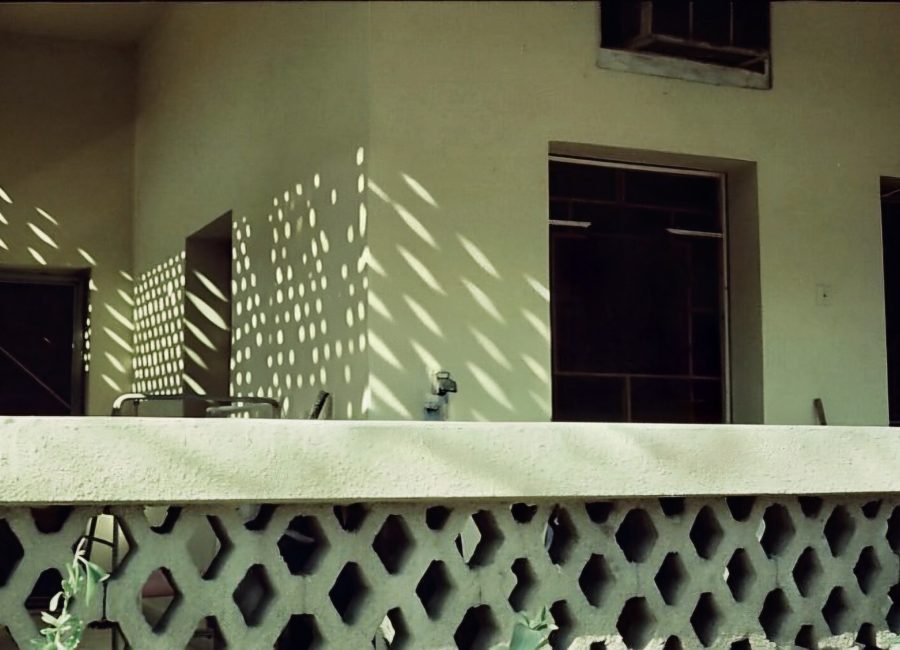
True passive solar design is three specific things working together, not just one. First, a calculated south-facing glazing area, sized as a percentage of the home’s floor area rather than maximized for view. Second, a roof overhang or shading device sized specifically for your latitude, deep enough to block the high summer sun but shallow enough to let the lower winter sun reach past it into the room. Third, thermal mass — usually a polished concrete slab, sometimes a masonry wall — positioned where that winter sun actually lands, so the house absorbs heat during the day and releases it slowly overnight instead of overheating immediately and losing it just as fast after sunset.
A house with big south windows and none of the other two elements will run hotter in summer and colder in winter than a well-insulated house with modest, well-shaded glazing — the opposite of what most buyers assume ‘passive solar’ promises. When you’re evaluating a listing that uses the term, ask for the overhang depth and whether there’s an engineered thermal mass floor, not just the glazing photos.